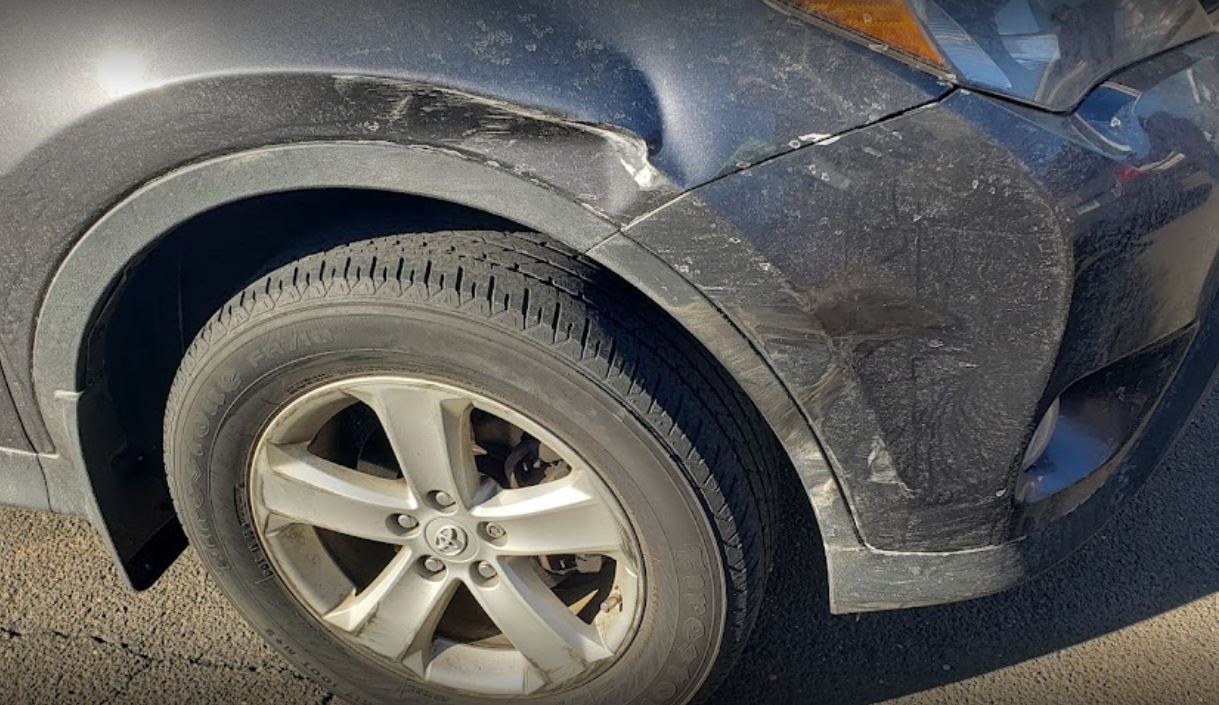
What Happens After a Car Accident in Connecticut?
Here's everything you need to know: a car accident in Connecticut sets off a chain of events, and understanding what comes next helps you stay calm, protect your finances, and keep control of your own repair. From the scene, to the insurance claim, to picking your shop, this guide walks you through what actually happens after a crash in Middletown and across the state.
At the Scene: Safety and Documentation Come First
The minutes right after a collision are stressful, but they set the tone for everything that follows. Your first job is safety. Check yourself and your passengers for injuries, and if anyone is hurt or vehicles are blocking traffic, call 911 right away. If it's safe to do so, move your car out of the flow of traffic and turn on your hazard lights.
Once everyone is safe, shift into documentation mode. Exchange names, phone numbers, license plate numbers, driver's license numbers, and insurance details with the other driver. Take wide and close-up photos of the damage, the road, skid marks, traffic signs, and the position of every vehicle involved. Gather names and phone numbers from any witnesses. Above all, do not admit fault at the scene. Stick to the facts when you talk to police and insurers, and let the investigation determine responsibility.
Filing the Insurance Claim
After you leave the scene, report the loss to your own insurance company, and if another driver was at fault, to their insurer as well. Connecticut is a "fault" state, which means the driver responsible for the crash (and their insurer) is generally on the hook for the damage. In practice, you can often file through your own carrier for speed and let the companies sort out who pays.
An adjuster will be assigned to review your claim. They may write an initial estimate, but remember that this first number is rarely the final word. Once your car is at a shop and torn down, hidden damage often turns up, and the shop submits a supplement to cover the additional repairs. This back-and-forth is normal. If you want a walk-through of how billing works, our insurance and claims support page explains how we handle the paperwork on your behalf.
You Choose the Repair Shop, Not the Insurer
This is the part many Connecticut drivers don't realize: you have the legal right to choose your own repair shop. Connecticut's anti-steering protections bar insurers from requiring you to use a specific shop or steering you toward their "preferred" or drive-in facilities. Insurers are required to inform you of this right. You are never obligated to use an insurance company's network shop just because they suggest it.
What does that mean for you? You can take your vehicle to any licensed shop you trust, including a family-owned business that answers to you rather than to an insurer's volume quotas. If you'd like to understand this right in more detail, we cover it in our companion post on whether insurance can force you to use their body shop, and in our insurance FAQ.
The Estimate and Getting Repairs Approved
Once you've chosen a shop, the next step is a written estimate. At Victor Auto Body Works, estimates are free, and we walk you through what's damaged, what parts are needed, and what type of parts (OEM, aftermarket, or recycled) the estimate calls for. Before repairs begin, you should approve the work in writing and understand which parts are being used, because that choice affects both fit and finish.
This is also the moment to ask about a rental car if your policy includes that coverage, and to make sure the adjuster knows where your vehicle is located so appraisals and supplements move quickly. Clear communication between you, the shop, and the insurer keeps the whole process from stalling. To see the full range of work involved, visit our collision repair services page.
Structural Damage and Safety Inspections
Not all damage is visible from the outside. A hit that looks cosmetic can hide bent frame rails, compromised crumple zones, or misaligned suspension points. That's why a proper teardown and inspection matter so much. If your vehicle needs structural work, it should be measured and repaired to the manufacturer's specifications so the safety systems that protect you in the next crash still work as designed.
Victor Auto Body Works is I-CAR Gold Class and staffed by ASE Certified technicians, which means we're trained and equipped to handle unibody and frame repairs correctly. You can learn more on our frame and structural repair page. When frame work is involved, timelines usually stretch, and we'll be upfront with you about why.
How Long Will It Take, and What's Next
Repair timelines vary widely. A minor cosmetic job might take a few days, while structural repairs, extensive paint work, or waiting on back-ordered parts can push a job into weeks. We give honest ranges rather than empty promises, and we keep you updated as the work progresses. For a fuller picture, read our post on how long collision repair takes.
Throughout the process, keep copies of your estimates, photos, and any written approvals. If you disagree with an insurer's valuation or feel pressured about where to repair your car, you have options, and a shop that advocates for you can make a real difference.
Get a Free Estimate Today
If you've been in an accident anywhere near Middletown, Victor Auto Body Works has been the area's family-owned collision shop since 1953. We work with all major insurers, handle direct billing, and back our workmanship with a lifetime warranty. Call us at (860) 346-8800 or schedule a free estimate and let us take the stress off your hands.
This is general information for Connecticut drivers and not legal advice.

