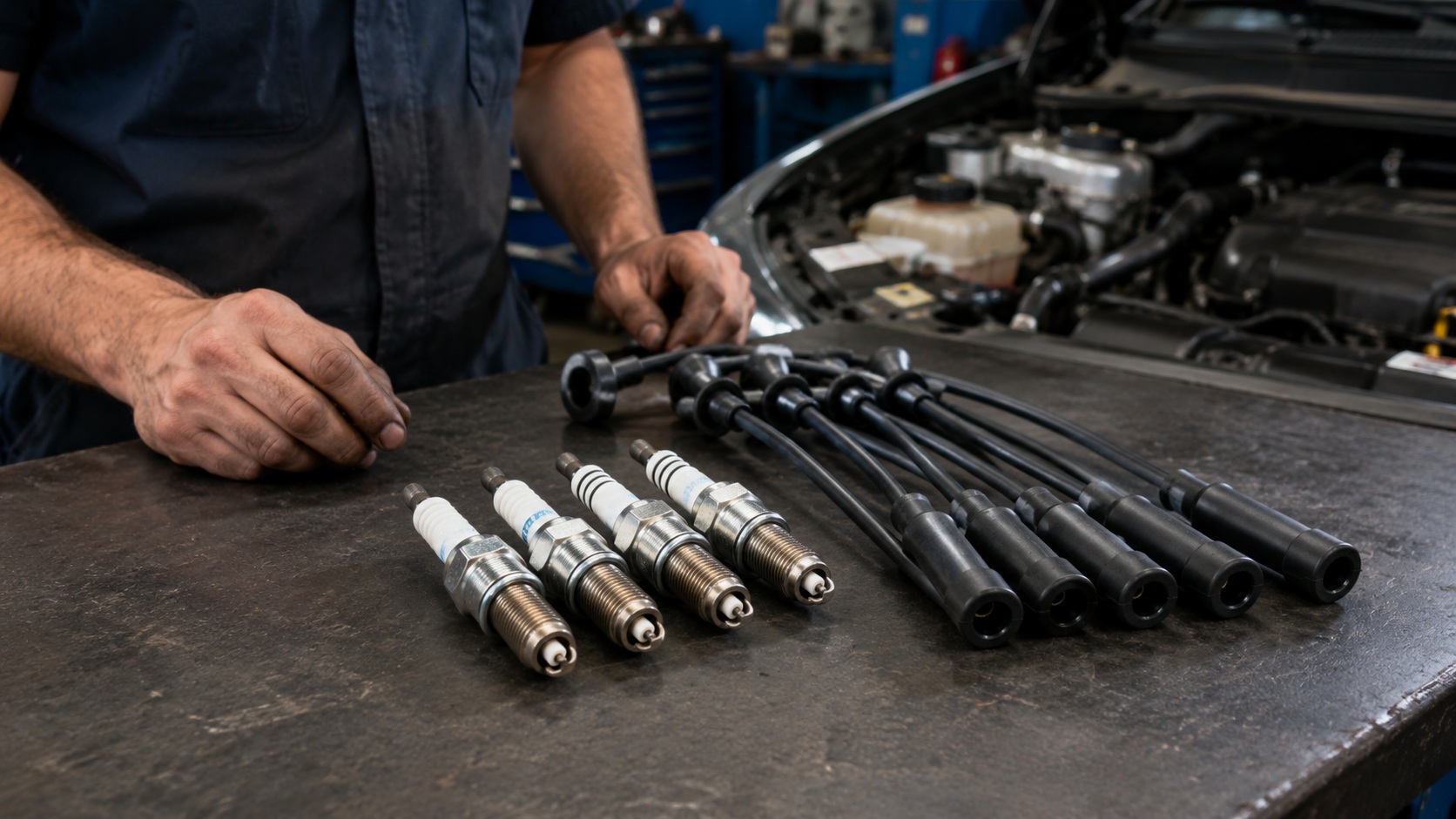
When Should You Replace Your Spark Plugs? Two Key Scenarios
Spark plugs are vital to your vehicle's engine performance, ensuring your car runs smoothly and efficiently. One question we often hear at Victor Auto Body Works is: "When should I replace my spark plugs?"
Most vehicle manuals recommend replacing spark plugs every 80,000 to 100,000 miles, but sometimes they need attention sooner — especially under severe driving conditions. Here are two critical instances when you should replace your spark plugs.
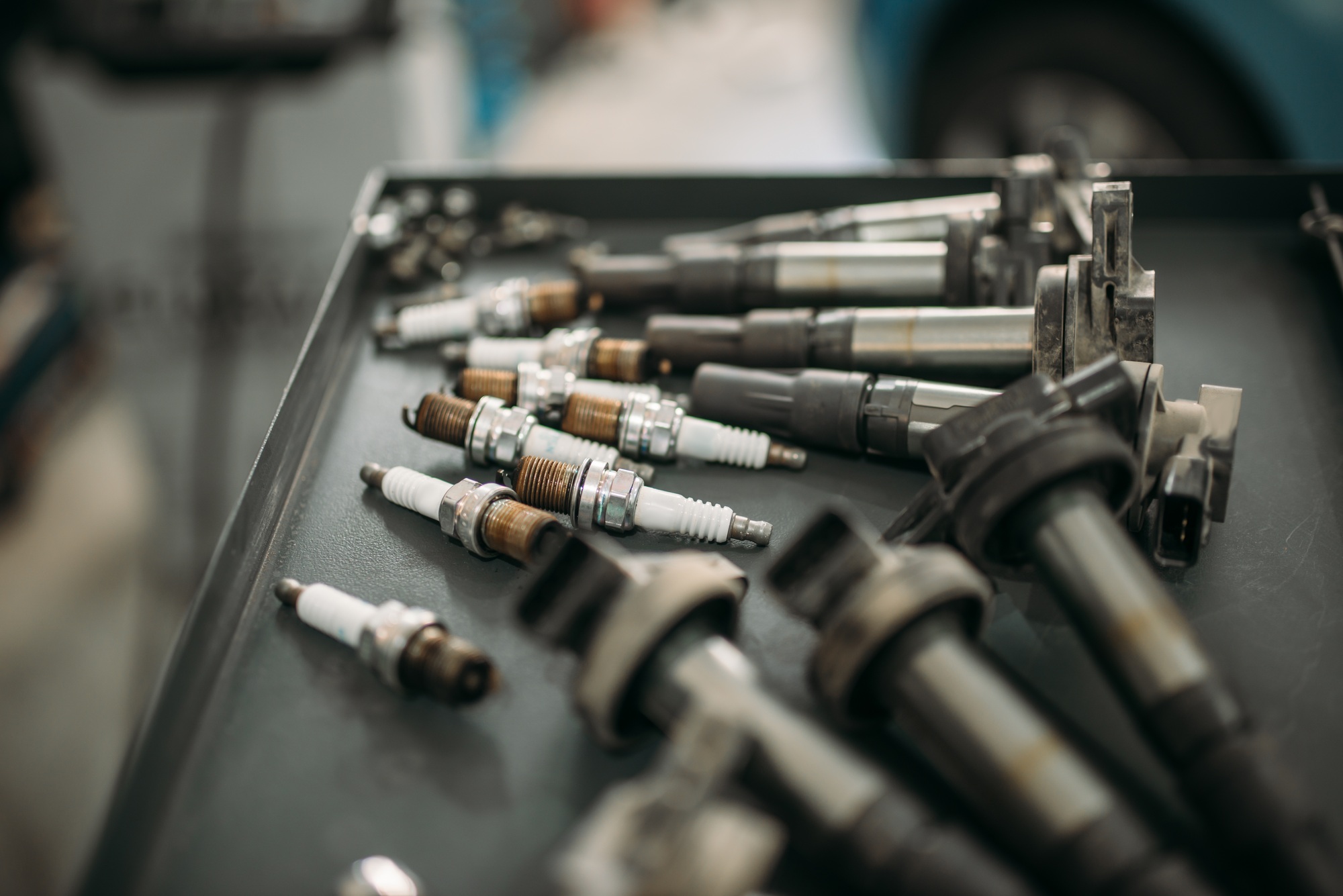
1. After Purchasing a Used Vehicle
If you've recently bought a used car, it's a good idea to replace the spark plugs right away. The previous owner might have been a "severe" driver — driving aggressively, frequently stopping, or towing heavy loads — all of which can wear out spark plugs faster. A spark plug in a four-cylinder engine fires up to 1,600 times per minute, meaning they're constantly working and may be due for replacement even if they seem fine at first glance.
Used car dealerships often perform inspections but rarely focus on the condition of the spark plugs, making it your responsibility to ensure they're in good shape. Getting them replaced by a qualified technician is a smart, low-cost preventive measure that protects a much more expensive investment.
2. At Least Every 80,000 Miles
Even if your car seems to be running well, it's important to replace your spark plugs before they reach 80,000 miles. Waiting too long can lead to engine misfires, which are often felt as jerking movements when you accelerate. Severely worn spark plugs can cause rattling or knocking sounds, affecting your engine's overall performance and leading to costly repairs if left unaddressed.
Signs Your Spark Plugs Need Replacement
- Rattling, pinging, or knocking noises during acceleration
- Jerking or hesitation while driving
- Slow acceleration or poor performance
- Rough idling or an engine that stumbles at a stop
- Noticeably higher fuel consumption than usual
- Difficulty starting, especially in cold weather
Sluggish spark plugs reduce fuel efficiency, leading to higher costs at the pump over time. Staying on top of replacement helps keep your vehicle running efficiently and saves you money in the long run.
How Spark Plug Condition Affects Your Engine
| Symptom | Likely cause | Risk if ignored |
|---|---|---|
| Engine misfire or jerking | Worn electrode gap — plug can no longer fire consistently | Catalytic converter damage, wasted fuel |
| Rough idle | Uneven combustion across cylinders | Increased engine wear over time |
| Hard starting | Plug fouled with carbon or oil deposits | Starter and battery strain |
| Poor fuel economy | Incomplete combustion burns more fuel per cycle | Higher fuel costs, more emissions |
| Knocking or pinging | Pre-ignition caused by gap erosion | Piston and cylinder head damage |
Need Spark Plug Replacement?
At Victor Auto Body Works, we recommend replacing spark plugs early to avoid engine damage. If your car is nearing 80,000 miles or you've recently purchased a used vehicle, visit us at 590 Washington Street, Middletown, CT, or call us at (860) 346-8800. Let our expert mechanics take care of your vehicle's spark plugs and keep your engine in top shape.
How Often Should You Change Spark Plugs?
The honest answer is: it depends on the plug material and your driving. Typical replacement intervals are:
- Copper/nickel plugs — roughly every 30,000–40,000 miles
- Platinum plugs — roughly every 60,000 miles
- Iridium and double-platinum plugs — roughly every 80,000–100,000 miles
Your owner’s manual always wins over a rule of thumb — and “severe service” driving (short trips, stop-and-go traffic, towing, extreme temperatures) can shorten any of these intervals. When in doubt, have the plugs pulled and read: their condition tells the real story.

